Rxl-tech.art
Back to Home
Case Study·Technical Art / Live 3D Sports·2.8M users

FIFA 2026 World Cup Live App

A multi-device FIFA World Cup viewing app for live and replay matches, letting 2.8M users jump between tactical, broadcast, third-person, and first-person views

GPU performanceAsset PipelineRendering & Animations

My Contribution

  • Technical art ownership across WebGL, mobile, and AR/VR surfaces
  • GPU performance debugging for a wide device range
  • Asset integration pipeline for avatars, jerseys, and branded content
  • Procedural pitch rendering driven by live skeletal tracking data
  • Vision Pro tabletop and immersive VR environment
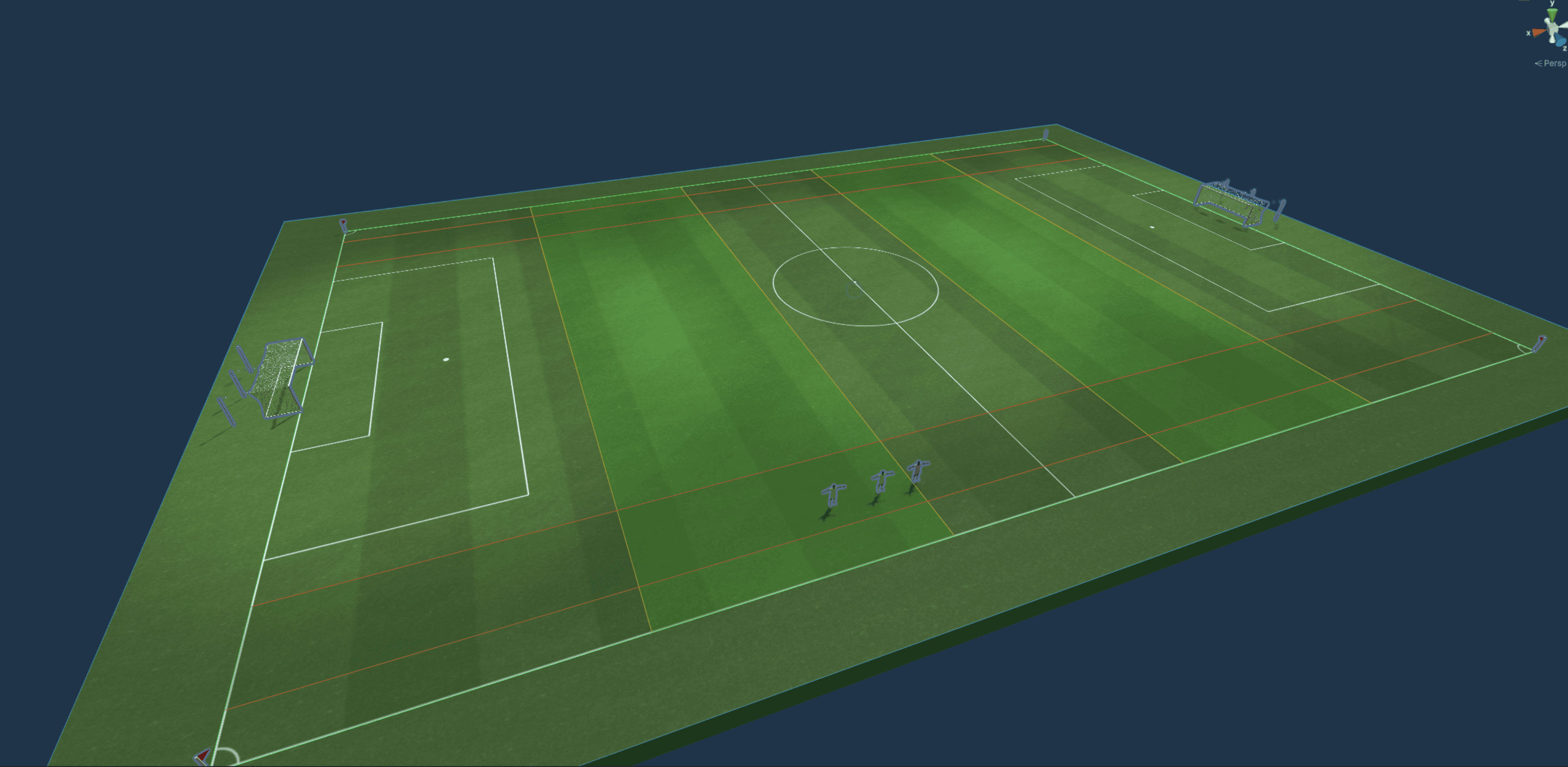
Football pitch shader system showing art-directed grass, field lines, and branded surface treatment
Unity HLSL Shader Breakdown

Refer to project

Unity Pitch Shader System

A dual-path football pitch shader system for Unity URP, designed for a wide range of devices with a clean fallback behavior on weaker ones.
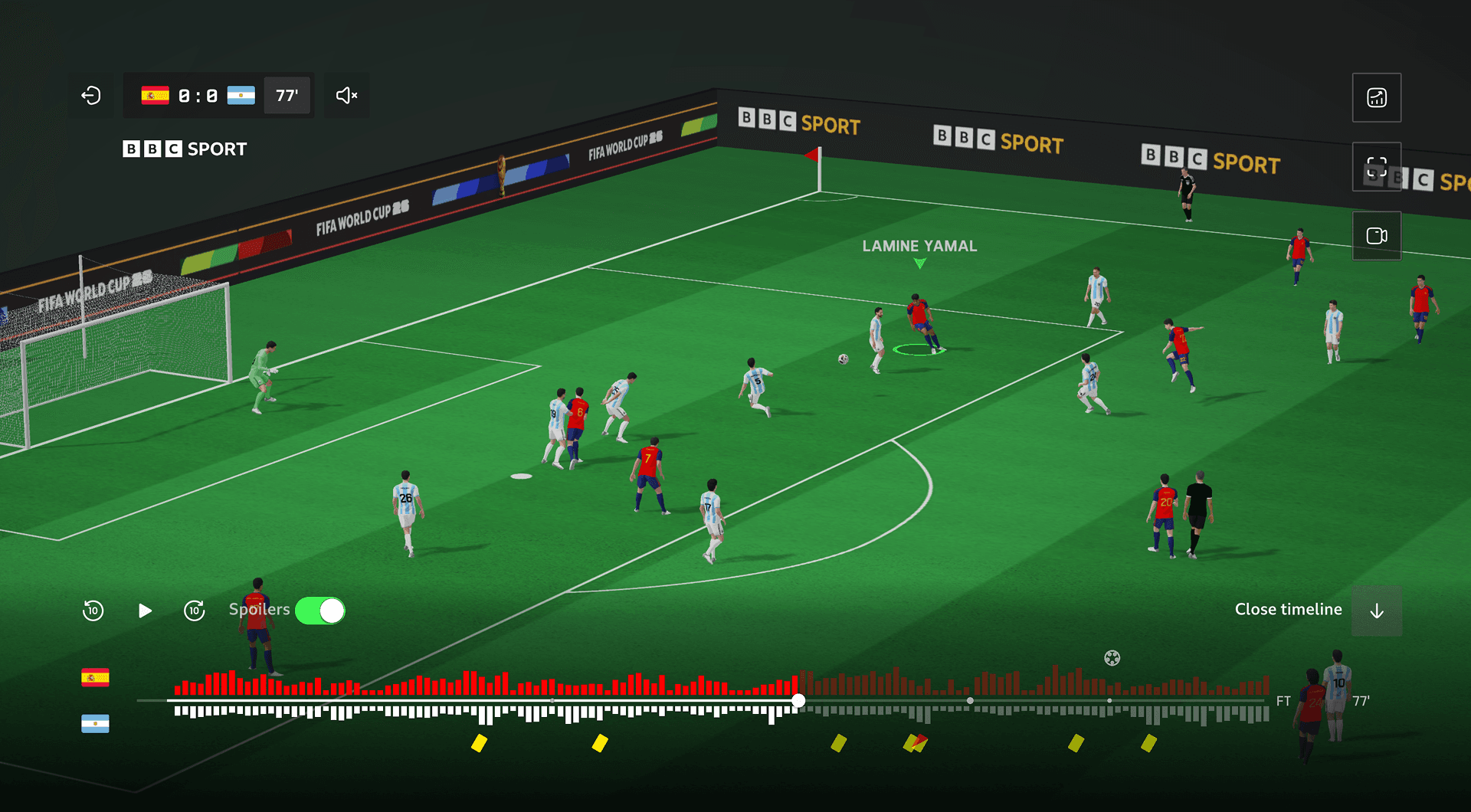
FIFA 2026 World Cup Live App preview
01Overview

Real-time World Cup viewing at production scale

  • Live and replay FIFA World Cup product across WebGL, mobile, and AR/VR
  • View modes included tactical, broadcast, third-person, and first-person perspectives
  • Shipped for 2.8 million users, so stability and scalability mattered as much as visual quality
  • Animated spatial 3D stats and visuals for game analysis
Impact
2.8M users
Platforms
WebGL · Mobile · AR/VR (visionOS/META)
Tools
Unity (C#/HLSL) · Blender · Figma · RealityKit
Focus
GPU performance · Asset Pipeline · Rendering & Animations
03Technical Breakdown
item.01

Performance Across a Wide Device Range

  • Profiled and debugged graphics/performance costs across various devices, allowing weaker hardware to run the app (Mobile WebGL)
  • Live scene rendering: shaders, materials, lighting, and visual systems to match our performance, stability, and business goals.
  • Designed and integrated VR scene environments for high-quality, efficient rendering on VR headsets.
item.02

Procedural and Configurable Systems

  • Built most of the scene rendering elements as a procedural runtime system to accommodate live tracking data
  • Allowed field dimensions, lines, skybox, and branded states to change without reauthoring
  • Better fit for live sports, where tracking and business (branding) constraints and rules can shift quickly
  • Handled shaders in Shader Graph visual scripting and HLSL
item.03

Asset Integration Pipeline

  • Managed a scalable pipeline for hundreds of individual avatars and multiple jersey kits, supporting all 48 teams
  • Helped shape import, validation, and optimization steps for reliable integration
  • Created tools to facilitate the art-to-dev pipeline, including Figma plugins, Blender add-ons, Python scripts, and Unity Editor scripts

(Semi-automated outfit design plugin, Blender toolbox add-on, Unity animator curves plugin, LOD automaker script, and more.)